

Dog Drooling: Signs, Causes, and When to Call the Vet
If you’re wondering, “Why is my dog drooling so much?”, the answer usually falls into one of two categories: a normal reaction to food, excitement, or heat, or a sign that something needs veterinary attention. Most dogs drool a little now and then, but a sudden increase or a steady stream of saliva is worth paying attention to. Understanding the difference helps you know when to relax and when to call Heart of Chelsea Veterinary Group for guidance.
Some dog breeds, like Saint Bernards, Mastiffs, and Bloodhounds, are simply built to drool more than others because of their loose jowls. But for breeds that don’t normally drool much, a sudden change is your first clue that something has shifted. Below, we cover the most common reasons dog owners ask, “Why is my dog drooling so much?”, what each cause tends to look like, and when a trip to the vet makes sense.
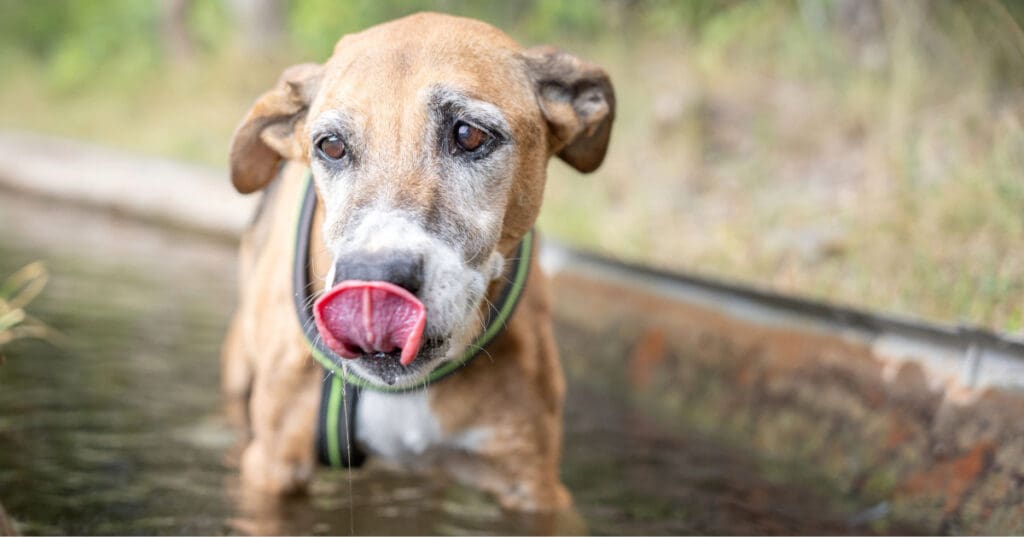
Normal Reasons Behind Dog Drooling
Before jumping to worst-case scenarios, it helps to rule out the everyday reasons dogs drool. If you’re asking, “Why is my dog drooling so much right after dinner or during a car ride?”, the explanation is often simple and harmless.
Food, Excitement, and Anticipation
Just like humans salivate at the smell of a good meal, dogs produce extra saliva when food is nearby or when they’re excited about a walk, a favorite toy, or a person they love. This type of drooling is short-lived and stops once the excitement passes, and it’s one of the most common answers to why your dog is drooling so much during mealtimes specifically.
Heat and Motion Sickness
Dogs cool themselves by panting, and heavy panting on a hot day naturally increases saliva production. Car rides can trigger a similar response in dogs prone to motion sickness, and many owners first notice the question dog drooling during a long drive. If your dog drools mainly during these situations, it’s rarely something to worry about.
Dental and Oral Health Issues
One of the most common medical reasons owners wonder “Why is my dog drooling so much?” is dental disease. Painful teeth, gum infections, and oral tumors can all trigger excess saliva production as the body tries to soothe irritation.
Signs of a Dental Problem
Dogs with dental pain often drool more on one side of the mouth, and you might notice bad breath, bloody saliva, or reluctance to chew hard food. Tartar buildup and gum disease are common culprits, especially in older dogs who haven’t had regular dental cleanings, and dental issues are frequently the real explanation behind why your dog is drooling so much in senior pets.
Foreign Objects and Mouth Injuries
A stick lodged between teeth, a splinter in the gums, or a small cut from chewing on something sharp can all cause sudden, heavy drooling. If your dog is pawing at their mouth or seems unable to close it fully, this is often the reason behind the excess saliva, and it tends to come on quickly rather than building gradually over days. Broken teeth from chewing on hard objects like antlers or ice cubes are another surprisingly common source of this kind of sudden-onset drooling, and they’re easy to miss without a close look inside the mouth.
Nausea and Gastrointestinal Causes
Another frequent answer to “Why is my dog drooling so much?” involves the stomach rather than the mouth. Nausea triggers excess saliva production as a natural precursor to vomiting, even if your dog doesn’t actually throw up.
What Nausea-Related Drooling Looks Like
Dogs feeling nauseous often lip-smack, swallow repeatedly, or drool in long strings before or instead of vomiting. This can stem from dietary indiscretion, a new food that doesn’t agree with them, or a more serious digestive issue, and it’s a pattern that helps explain why your dog is drooling so much after eating something unusual on a walk.
When GI Upset Needs Attention
- Drooling paired with repeated vomiting or diarrhea
- Drooling alongside a bloated or distended abdomen
- Drooling that continues for more than a few hours without improvement
Any of these combinations warrants a call to Heart of Chelsea Veterinary Group rather than waiting to see if things resolve on their own.
Toxin Exposure and Poisoning
A sudden, dramatic increase in drooling is one of the classic signs of toxin exposure, and it’s one of the more urgent reasons behind why your dog is drooling so much. Certain plants, household chemicals, human medications, and even some insects can trigger this response.
Common Toxins That Cause Excess Drooling
Toads, certain caterpillars, and stinging insects can all cause a rapid onset of heavy drooling if your dog investigates them with their mouth. Household items like bleach, detergent pods, and certain plants such as lilies or sago palms are also frequent culprits, and pet owners in this situation are often surprised at how quickly the question “Why is my dog drooling so much?” turns into an emergency.
What to Do If You Suspect Poisoning
If drooling comes on suddenly alongside vomiting, tremors, or unusual behavior after your dog was outside or got into something they shouldn’t have, treat it as an emergency. Bring any packaging or plant material with you to help our veterinary team identify the source quickly, since knowing the specific toxin can change how fast treatment needs to happen. Time matters a great deal with many toxins, so it’s better to call ahead on the way to the clinic than to wait and see whether symptoms improve on their own.
Neurological and Systemic Conditions
Less commonly, the question “Why is my dog drooling so much?” has a neurological explanation. Conditions affecting the nerves that control swallowing or facial muscles can lead to persistent drooling that doesn’t fit the usual patterns described above.
Signs Pointing to a Neurological Cause
- Drooling paired with facial drooping or an uneven expression
- Difficulty swallowing or apparent trouble closing the mouth
- Drooling combined with wobbliness, confusion, or seizures
Other Systemic Illnesses to Rule Out
Kidney disease, liver disease, and certain infections like rabies can also present with excessive drooling as one of several symptoms. These cases usually come with additional signs, such as changes in appetite, energy, or behavior, that point toward a broader systemic issue rather than a simple mouth problem, which is why owners asking, “Why is my dog drooling so much?” are encouraged to look at the whole picture rather than just the saliva itself. A dog with a systemic illness may also seem quieter than usual or less interested in daily routines, which adds useful context for your veterinarian.
Getting to the Bottom of Excess Drooling
If you’ve been asking, “Why is my dog drooling so much?” and haven’t found an obvious explanation like mealtime excitement or a hot car ride, a veterinary exam is the safest next step. Sudden or severe drooling, especially alongside other symptoms, deserves prompt attention rather than a wait-and-see approach. Take note of when the drooling started, what your dog was doing beforehand, and whether any other symptoms have shown up alongside it, since these details help your veterinarian narrow down the cause quickly and rule out the more serious possibilities first. A short list or a few notes on your phone can make a real difference when you’re describing the timeline during an appointment.
Our team at Heart of Chelsea Veterinary Group can examine your dog’s mouth, run any necessary tests, and help you get to a clear answer so your dog can get back to feeling like themselves. Call one of our locations or book an appointment online today!
Recent Posts
About Us
Heart of Chelsea Veterinary Group is more than an animal hospital; we are your partner in giving your pet a lifetime of outstanding care. Our veterinarians and team members form lasting relationships with pet owners like you to create unique, personalized experiences for all. Heart of Chelsea was founded in 1999 to provide the community with a neighborhood veterinary practice that delivers thorough, compassionate medicine and unparalleled concierge client service.