



Explore Our Veterinary Blogs
Our veterinary blog offers up articles to answer all your non-urgent, pet-related questions. Check them out and contact us if you’d like to see a specific topic!

By: Dr. Andrea Y. Tu, DVM, DACVB Feline caregivers should aim to provide an environment that meets the unique species-specific needs of cats as a proper home environment is essential to your cat’s physical and emotional health. The Feline Veterinary Medical Association has adapted the Five Domains for Assessing Animal Welfare into the Five Pillars…

Dog separation anxiety describes a pattern of distress that occurs when a dog becomes separated from the people they rely on most. For many dogs, time alone triggers fear, panic, or confusion rather than simple boredom. These emotions often show up through vocalization, destructive behaviors, or inappropriate elimination. Pet owners may feel caught off guard,…
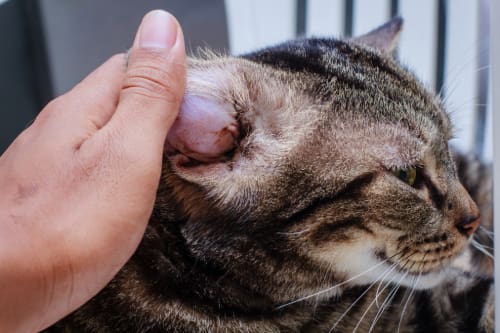
Cat ear infections can develop quietly, often before pet owners notice obvious changes at home. A cat that once seemed comfortable may begin scratching, shaking their head, or avoiding touch around the ears. These changes often signal irritation or inflammation deep within the ear canal. Because cats tend to hide discomfort, ear problems can progress…

Hairballs in cats are one of those topics that many pet owners recognize instantly, often because they have woken up to the unmistakable sound of gagging in the middle of the night. In many households, hairballs feel like an unavoidable part of feline life. Cats groom themselves frequently, and swallowing loose hair is part of…

The question of whether raw chicken belongs in a dog’s bowl comes up often, especially as more pet owners explore raw or minimally processed diets. When people ask can dogs eat raw chicken, they are usually trying to balance what feels natural with what is actually safe. While dogs evolved alongside humans eating scraps and…

Aggression in dogs describes a range of behaviors that can feel sudden, confusing, or even frightening for pet owners, especially when they appear in a dog that is otherwise loving and familiar. These behaviors often develop as a form of communication rather than defiance or “bad behavior.” Dogs rely on body language and actions to…

Dog resource guarding describes a pattern of behavior where a dog becomes tense, defensive, or reactive when they believe something valuable may be taken away. This may involve food, toys, resting spots, or even people. Many pet owners first notice subtle signs during everyday routines, such as mealtime or playtime, and feel caught off guard…

If your dog is panting more than usual, you may feel concerned or unsure about what it means. While dog panting is perfectly normal in many situations, excessive panting can sometimes point to something more serious. Understanding the reasons behind increased panting can help you know when it’s time to take the next step. At…
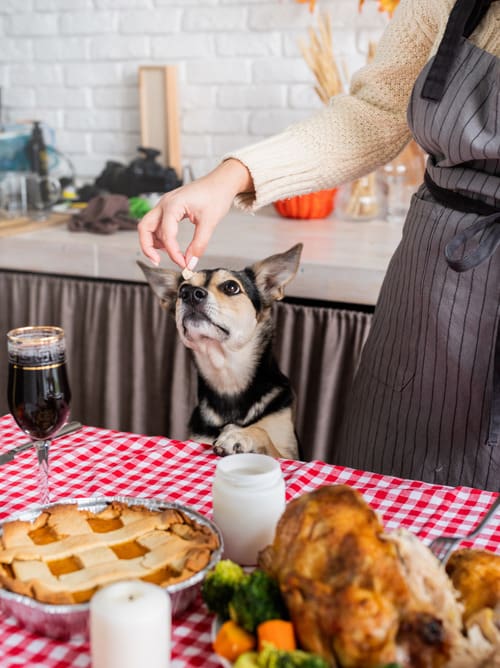
Thanksgiving leftovers and deli meat slices may have you wondering: can dogs eat turkey? It’s a common question among pet owners, especially during the holidays or when preparing everyday meals. While turkey is a familiar source of protein for humans, the answer for dogs isn’t quite as simple. Several factors determine whether it’s a safe…

You’re enjoying a sweet treat when your dog suddenly appears at your side, eyes locked on your marshmallow with hopeful anticipation. It’s a familiar moment for many pet owners—but should you give in? While marshmallows seem harmless, especially in small amounts, they may pose hidden risks that can affect your dog’s health. So, can dogs…