
Pet Insurance in New York City, NY and Seattle, WA
Finding the right pet insurance can be ruff, so let us find the purr-fect pet insurance plan for you!
Pet insurance is a proactive and useful financial tool that:
Protects you and your finances against unforeseen veterinary costs.
Allows veterinarians to provide your pet with optimal care, employing the most advanced veterinary medical treatments.
Helps pet parents avoid economic euthanasia, especially when they can't afford the pet's required medical care.
Provides pet owners with confidence, eliminating hesitation before seeking veterinary treatment for their pet or waiting to see if the medical condition worsens before consulting a vet.

Book an Appointment with Our Pet Insurance Specialists
What we can help with:
Understanding coverage options and providers
Reviewing existing policies
Guidance on claims and reimbursement
Aligning insurance choices with your pet’s health needs
Book a dedicated consultation today and get the clarity you need so you can focus on what matters most: your pet’s health and wellbeing.
What Should You Know?
Age
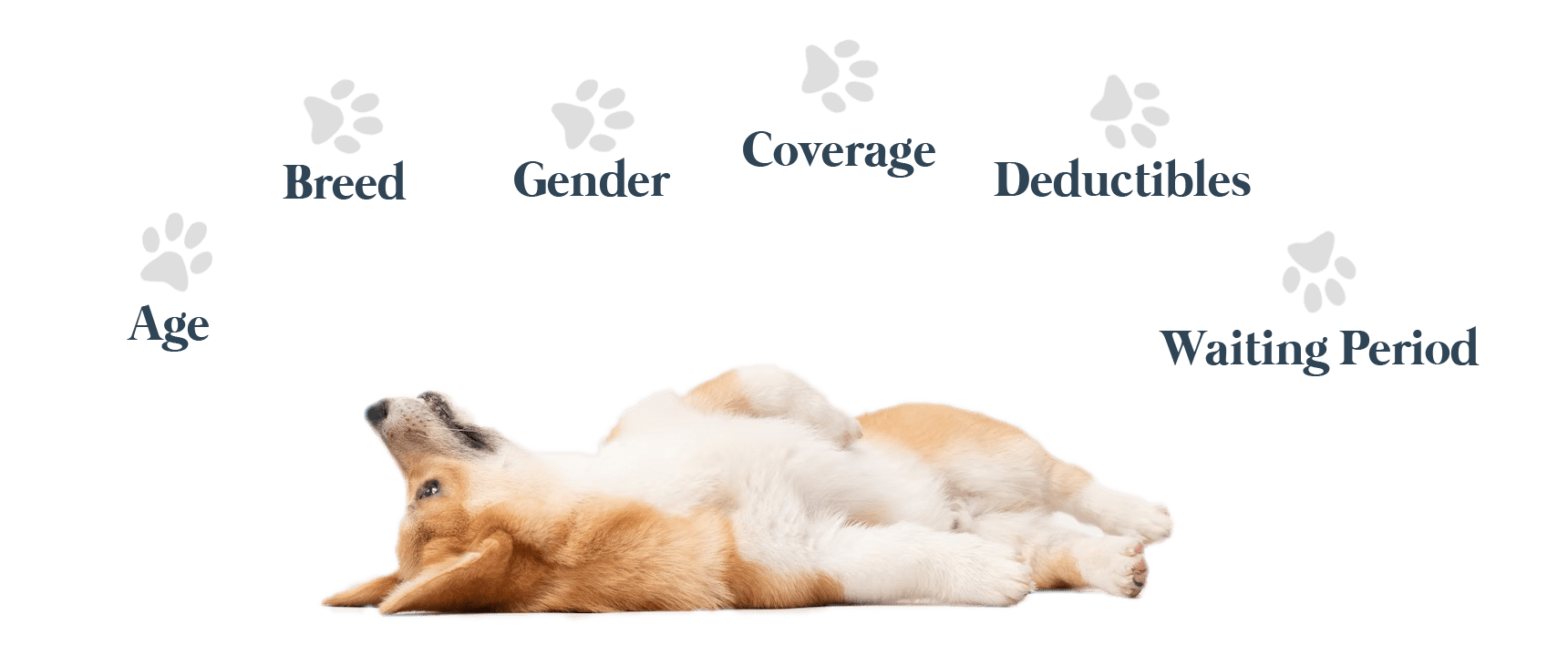
Insuring your pet at a younger age allows you to secure coverage before any pre-existing conditions develop, ensuring comprehensive protection throughout their life. As pets age, they are more prone to health issues, and getting insurance early helps you avoid potential exclusions or higher premiums associated with age-related conditions.
Breed
Some breeds are naturally predisposed (more likely) to develop certain medical conditions. It is important to know and consider the risks associated with your breed before you choose the level of coverage you require;
Gender
Gender itself is not a significant factor in determining insurance coverage or premiums. However, there may be some insurance providers that offer optional coverage for specific gender-related procedures such as spaying or neutering.
Coverage
Coverage is essential to ensure that your pet's medical needs are adequately protected. Coverage refers to the range of medical expenses and treatments that the insurance policy will reimburse.
Deductibles
Deductible is important because it determines the amount you'll need to pay out of pocket before the insurance coverage kicks in. A lower deductible means you'll have less upfront expense when filing a claim, but it may result in higher monthly premiums. On the other hand, a higher deductible can lead to lower monthly premiums but requires you to pay more before the insurance starts covering expenses. Considering the deductible helps you find a balance that suits your budget and risk tolerance.
Waiting Period
Waiting Period refers to the amount of time you need to wait after purchasing the policy before certain coverage becomes effective. Insurance providers typically impose waiting periods to prevent fraudulent claims and ensure that policies are not purchased solely for immediate treatment of pre-existing conditions.
Because every pet insurance company varies in what it offers, you will need to do some research to see which company and which plan will work best for your circumstances. There is a company and a plan for just about every pet and family, so give yourself time to research your options. Heart of Chelsea typically recommends a policy that:
Covers hereditary and congenital issues
Has an ANNUAL deductible
Offers AT LEAST a 90% reimbursement
Covers veterinary exam fees
Has AT MINIMUM a $20,000 annual limit
Common Diseases for Common Breeds

French Bulldogs
• Brachycephalic Obstructive Airway Syndrome
• Eye issues (Conjunctivitis, Cherry eye, Corneal ulcers)
• Allergy/Skin dermatitis
• Intervertebral Disc Disease
• Medial Patellar Luxation

Cavalier King Charles Spaniel
• Eye Issues
• Caudal Occipital Malformation Syndrome
• Heart disease

Doodles
• Allergies
• Skin/Ear infections
• Hip dysplasia
• Neoplasia

Golden Retrievers
• Skin/Ear infections
• Hip dysplasia
• Osteoarthritis
• Neoplasia
Frequently Asked Questions
Because pets are legally considered to be the property of their owners, pet insurance falls under the Property and Casualty insurance classification and functions as indemnity insurance. Home and auto insurance are examples of this type of coverage.
Pet Health Insurance is also REIMBURSEMENT based, meaning that typically the owner will pay the veterinary bill up front, and then the claim is processed as a reimbursement to the owner.
There are also no networks like in human health insurance, so you are able to visit any licensed vet in the US that you prefer.
You need to buy pet insurance the moment you take home your pet. The sooner, the better. The reason for this is simple: no pet insurance covers pre-existing conditions. You will end up paying more—even if you already have a policy—if you buy at the wrong time. I recommend getting pet insurance BEFORE ever bringing the pet in for an exam.
Many pet insurance companies will require a veterinary examination or medical history review before covering your pet. They will require all medical records from any vet that has treated your pet. These reviews are intended to identify any pre-existing conditions that the insurance company won't cover.
With most plans, you can use your insurance at any licensed vet in the US and sometimes Canada. Since it is reimbursement based, you simply pay your vet bill upfront, and submit the invoice to your insurance for reimbursement. There are no networks, allowing you to see your favorite vet without worry.
For example, with a per condition plan, if your pet is seen for vomiting, then later in the year seen for a broken nail, and then again later for an ear infection, those would be treated as THREE separate conditions, each requiring an additional deductible to be met before receiving any reimbursement. These types of plans can become quite frustrating, as there’s no way to predict how many times your pet will need to be seen in a year, and when your plan will begin to reimburse. For this reason, we recommend purchasing a policy with an ANNUAL deductible.
We are very happy to submit your insurance claims for eligible visits directly to your insurance company. Claims are usually submitted within 2 weeks of your visit, and from there you can track the progress of your claim through your insurance provider’s online portal. If you prefer to submit your own claims, please know that we are still here to help in any way we can.
If your claim is denied by the pet insurance provider, and you disagree with the decision, you have the option to appeal. We are very happy to help our clients with any of their insurance needs, including claim appeals. We can go over your claim, Explanation of Benefits, and if needed, we can help file the appeal with your insurance company.
Insurance Red Flags to Avoid
- Plans with a PER CONDITION or PER INCIDENT deductible
- Plans that are structured on a BENEFIT SCHEDULE (Defined Annual Benefits per condition) rather than a percent of invoice reimbursement
- Plans with LOW reimbursement percentages (<70%) or plans with LOW annual limits (<$20,000 annually)
- Plans that are NOT insurance, but rather membership programs for discounts at participating hospitals
Pet Insurance Resources
If you’re new to pet insurance and want to start exploring different companies and plans, use the links below to learn about several companies that may interest you, or get recommendations from experts who know the industry.
This is a great resource to get personalized insurance recommendations and compare companies side by side.
Pumpkin is a pet health company offering pet insurance plans for accidents and illnesses, plus a unique wellness package called Preventive Essentials. While not insurance, it’s an optional benefit you can add to your Pumpkin insurance plan to get refunds for key wellness services.
Have pet insurance questions? The Pet Insurance Pawcierge by Pumpkin is here to help and give you personalized advice! Heart of Chelsea clients get special access and a priority phone line to a team of insurance pros and pet specialists with Pumpkin’s concierge service.
Embrace has comprehensive coverage with wellness options and even offers dental coverage up to $1000. They also have a unique diminishing deductible feature to their plans. This means each year you don’t receive a claim payment, they decrease your deductible by $50.
Pet’s Best offers comprehensive coverage for accidents and illnesses, with flexible options including wellness add-ons for routine care. Their wide range of plans and coverage options make it easy to find the right coverage at the right price.
If you are interested in wellness coverage, a good value for wellness services is through Wagmo. Unlike insurance, Wagmo Wellness plans reimburse you for the routine care that you are already doing for your pet. Wagmo Wellness plans include coverage for things like vet visits, grooming, and more. Wellness care is something that should be purchased in addition to an accident or illness plan since a wellness plan will offer no protection should your pet get sick or injured.
Insurance disclosure from Pumpkin: Pumpkin pet insurance plans are underwritten by United States Fire Insurance Company (NAIC #21113. Morristown, NJ), and are produced by Pumpkin Insurance Services Inc. (“Pumpkin”) (NPN#19084749). Pumpkin Preventive Essentials is offered as an optional add-on non-insurance benefit. Pumpkin is responsible for the product and administration. For full terms, visit pumpkin.care/customeragreement. Pumpkin Preventive Essentials is not available in all states.
Pet insurance coverage offered and administered by Pets Best Insurance Services, LLC is underwritten by American Pet Insurance Company, a New York insurance company headquartered at 6100 4th Ave. S Suite 200 Seattle, WA 98108. Please see https://americanpetinsurance.com/to review all available pet health insurance products underwritten by APIC. Current customers, please refer to your declarations page to determine the underwriter for your policy. Pets Best is a Synchrony Health and Wellness solution.
Pet health insurance administered by Embrace Pet Insurance Agency, LLC is underwritten by one of the licensed insurers of American Modern Insurance Group, Inc., including American Modern Home Insurance Company d/b/a in CA as American Modern Insurance Company (Lic. No 2222-8), and American Southern Home Insurance Company. Coverage is subject to policy terms, conditions, limitations, exclusions, underwriting review, and approval, and may not be available for all risks or in all states. Rates and discounts vary, are determined by many factors, and are subject to change. Wellness Rewards is offered as a supplementary, non-insurance benefit administered by Embrace Pet Insurance Agency in the United States. © 2022 American Modern Insurance Group, Inc.
Wagmo Wellness is not an insurance policy. It is offered separately and distinctly from insurance, and customers may purchase either product on a standalone basis. Wagmo is responsible for the product and administration. For more information on Wagmo Wellness, please visit Wagmo Wellness and Wagmo Wellness Membership Agreement.