


Is Your Cat Dehydrated? Symptoms, Causes, and What to Do
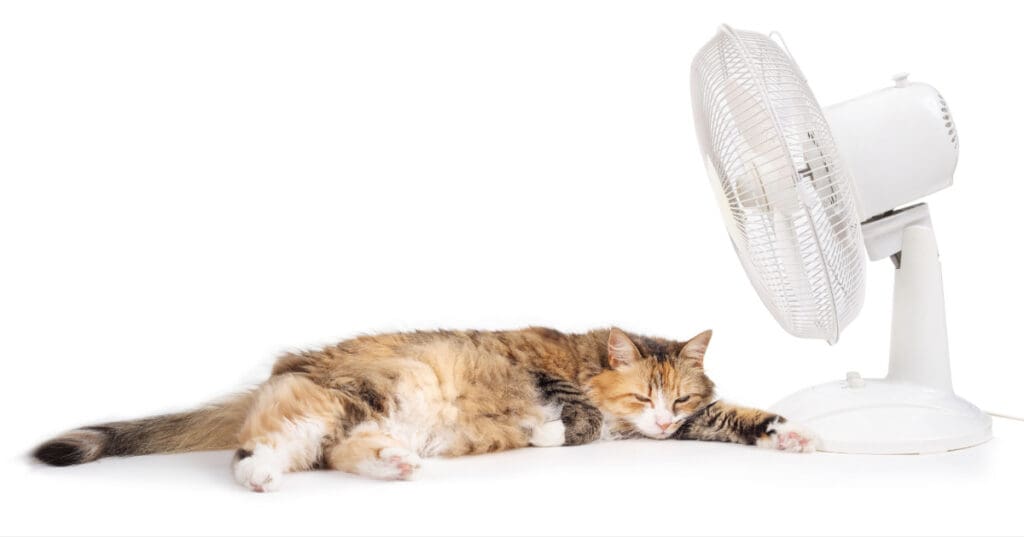
Cat dehydration happens when your cat loses more fluids than they take in, and because cats are notoriously light drinkers to begin with, even a small shortfall can add up quickly. If your cat seems tired, has dry gums, or hasn’t been using the litter box as often, cat dehydration could be the reason. Catching it early makes a real difference, and the team at Heart of Chelsea Veterinary Group can help you figure out whether home monitoring is enough or whether your cat needs prompt care.
Cats evolved from desert-dwelling ancestors, which is part of why they naturally drink less water than dogs and rely heavily on moisture from food instead. That evolutionary quirk also means dehydration can sneak up on owners, since a cat’s normally low water intake makes it harder to notice when something has changed. Unlike dogs, who often drink visibly and enthusiastically, cats tend to take small, quiet sips throughout the day, so a drop in intake is easy to miss without paying close attention. Below, we cover the signs of cat dehydration, what typically causes it, and the steps to take if you suspect your cat isn’t getting enough fluids.
Recognizing the Signs of Cat Dehydration
The earliest signs of cat dehydration are often subtle, which is exactly why they get missed until the problem has progressed. Knowing what to look for helps you catch it before your cat starts feeling truly unwell.
Physical Signs to Watch For
A simple skin-tent test can offer a quick clue: gently lift the skin between your cat’s shoulder blades, and if it doesn’t snap back quickly, dehydration may be at play. This test works because well-hydrated skin has elasticity that fades as fluid levels drop, making it one of the easiest at-home checks available. It’s worth practicing the test when your cat is healthy so you have a baseline for comparison later. Other physical signs include:
- Dry or tacky gums instead of the usual moist, slick feel
- Sunken-looking eyes or a duller coat than normal
- Panting or noticeably increased breathing effort in a cat that rarely pants
Behavioral Signs Linked to Cat Dehydration
Beyond the physical signs, cat dehydration often comes with behavioral changes. A dehydrated cat may seem unusually lethargic, less interested in food, or reluctant to move around as much as usual. Reduced litter box visits or noticeably concentrated, strong-smelling urine can also point toward fluid loss, and some owners notice their cat visiting the water bowl more frequently but still not drinking enough to keep up. A normally social cat that starts hiding more than usual is also worth a second look, since withdrawal can accompany the general discomfort of fluid loss.
Common Causes of Cat Dehydration
Cat dehydration doesn’t happen in a vacuum. It’s almost always tied to an underlying cause, whether that’s environmental, behavioral, or medical, and identifying which category applies to your cat is often the fastest way to a solution.
Environmental and Behavioral Causes
Hot weather, inadequate access to fresh water, or a water bowl placed somewhere your cat avoids can all contribute to fluid loss. Some cats are simply picky about water freshness or bowl placement, and a stale or dirty bowl can quietly reduce how much they drink over time. Travel, boarding, or a disrupted routine can also lead to temporary drops in water intake that add up over a few days. Even something as small as switching to a new bowl material, like plastic instead of ceramic, can put off a sensitive cat enough to reduce how often they visit it.
Medical Conditions Behind Cat Dehydration
Several medical issues are common culprits behind cat dehydration, particularly in middle-aged and senior cats:
- Chronic kidney disease, which reduces the body’s ability to conserve water
- Diabetes, which increases both thirst and urination
- Vomiting or diarrhea, which cause rapid fluid loss
- Hyperthyroidism, which can increase overall fluid turnover
Because several of these conditions are more common in older cats, dehydration in a senior pet often warrants bloodwork to identify the underlying driver rather than treating fluid loss as a standalone issue. Addressing the root cause, rather than just replacing lost fluids in the moment, is usually what prevents the same problem from resurfacing a few weeks later.
Why Cats Are Prone to Dehydration
Cats are uniquely susceptible to dehydration compared to other pets, and understanding why can help you stay ahead of it. Their low natural thirst drive means they often don’t drink enough water even when it’s readily available.
The Role of Diet in Cat Dehydration
Cats who eat primarily dry kibble get very little moisture from their food, which puts more pressure on drinking water alone to meet their needs. Cats on a wet food diet typically take in significantly more moisture through meals, which naturally helps offset the risk of dehydration. Some owners find that mixing wet and dry food, or adding a splash of water to kibble, gives their cat an easy boost in daily fluid intake without changing much else. Even small adjustments like these can add up meaningfully over the course of a week.
Age and Health Factors
Kittens and senior cats are both more vulnerable to cat dehydration than healthy adult cats. Kittens have less fluid reserve relative to their body size, while older cats are more likely to have an underlying condition that increases fluid loss or reduces the drive to drink. A cat recovering from surgery or an illness may also need extra encouragement to keep up with fluids during the healing process, and even a short bout of reduced appetite can tip a small or young cat toward dehydration faster than it would an adult.
What to Do If You Suspect Cat Dehydration
If you notice signs of cat dehydration, the first step is offering fresh water and, if your cat will accept it, a small amount of wet food to help boost fluid intake. Mild, early-stage dehydration sometimes improves with these simple changes.
When to Seek Veterinary Care
- Skin that stays tented for more than a second or two after the test
- Persistent vomiting or diarrhea alongside reduced water intake
- Lethargy that doesn’t improve after offering fluids
- Any signs of dehydration in a kitten or senior cat, which can progress quickly
Moderate to severe dehydration often requires subcutaneous or intravenous fluids administered by a veterinary team, since drinking alone may not be enough to catch up once the deficit becomes significant. A call to Heart of Chelsea Veterinary Group can help you decide quickly whether your cat needs to be seen the same day, and describing what you’ve observed, including how long it’s been going on, helps the team prepare before your cat even arrives.
Keeping Your Cat Well-Hydrated Going Forward
Preventing cat dehydration is generally easier than treating it once it sets in. Simple habits, like offering multiple water sources around the house, keeping bowls clean, and incorporating wet food into your cat’s diet, all help support healthy hydration over time. Cats are also drawn to moving water, so a pet fountain can encourage some cats to drink more than a still bowl ever would. Placing extra water stations away from busy household areas can also make a difference for cats who prefer quiet, low-traffic spots, and rotating between a few different bowl styles can help you figure out what your particular cat responds to best. If you’re ever uncertain whether your cat’s symptoms point to dehydration or something else, our team at Heart of Chelsea Veterinary Group is ready to help you sort out the cause and get your cat back to feeling like themselves. Call one of our locations or book an appointment online today!
Recent Posts
About Us
Heart of Chelsea Veterinary Group is more than an animal hospital; we are your partner in giving your pet a lifetime of outstanding care. Our veterinarians and team members form lasting relationships with pet owners like you to create unique, personalized experiences for all. Heart of Chelsea was founded in 1999 to provide the community with a neighborhood veterinary practice that delivers thorough, compassionate medicine and unparalleled concierge client service.