



From Napping to Concerning: Understanding Cat Lethargy
Cat lethargy means your cat is sleeping more than usual, showing little interest in food or play, or moving noticeably slower than normal, and the tricky part is that cats already sleep 12 to 16 hours a day. So how do you tell ordinary napping from cat lethargy that actually needs attention? The short answer is that true lethargy involves a change from your cat’s normal baseline, not just a long stretch of sleep on the couch or a lazy afternoon in a sunny window. If your cat seems withdrawn, unresponsive to favorite toys, or reluctant to jump onto familiar perches, cat lethargy could be signaling anything from stress to a medical issue that needs prompt care from Heart of Chelsea Veterinary Group.
Cats are subtle communicators, and low energy in cats often develops gradually enough that owners second-guess what they’re seeing. Below, we walk through how to spot the difference between a sleepy cat and a genuinely lethargic one, the most common causes behind the change, and when it’s time to schedule a visit rather than wait it out.
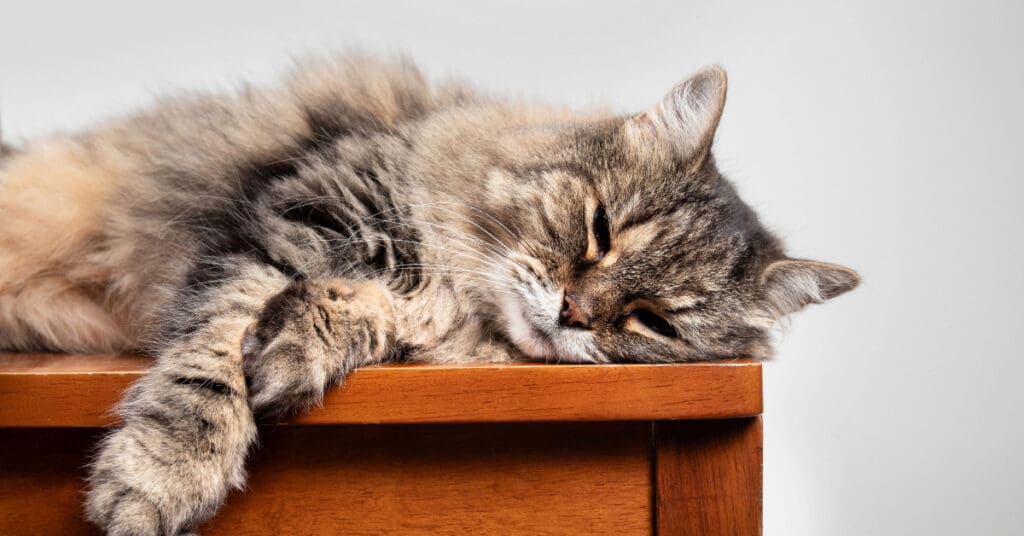
Napping Versus True Cat Lethargy
Cats are naturally built for long rest periods, so distinguishing normal napping from cat lethargy starts with knowing your individual cat’s habits and daily rhythms. A cat who sleeps most of the day but still perks up for meals, greets you at the door, and plays in short bursts is behaving normally, even if the total hours of sleep sound like a lot to a person.
What Normal Cat Sleep Looks Like
A healthy cat cycles through light dozing and deeper sleep throughout the day, but they remain easily rousable and interested in their surroundings between naps. Ears twitch toward sounds, tails flick at movement, and mealtime still gets an enthusiastic reaction even in the middle of an afternoon snooze.
Signs That Point to Cat Lethargy Instead
- Reduced interest in food, treats, or a favorite feeding routine
- No response to toys, laser pointers, or usual play cues
- Hiding in unusual spots or avoiding social interaction altogether
- Noticeably slower movement even when the cat does get up
When true fatigue replaces this normal responsiveness, especially for more than a day, it’s worth a closer look rather than assuming your cat is just tired from a long nap.
Common Medical Causes of Cat Lethargy
Cat lethargy is frequently one of the earliest signs of an underlying medical issue, since cats are instinctively good at hiding pain and illness until it becomes harder to mask. Kidney disease, in particular, is a leading cause of fatigue in middle-aged and senior cats, and it often develops silently for months before symptoms become obvious.
Kidney and Urinary Issues Behind Lethargy
Chronic kidney disease often causes a slow, steady decline in energy alongside increased thirst and urination that owners may not connect right away. Because the kidneys can lose a significant amount of function before bloodwork shows clear abnormalities, fatigue is sometimes the first sign a family notices, well before more obvious symptoms appear. Urinary blockages, which are a true emergency in male cats especially, can also cause sudden, severe cat lethargy along with straining in the litter box and visible distress. A blocked cat can decline within hours, so any combination of straining and flat energy should prompt an immediate call to Heart of Chelsea Veterinary Group rather than a wait-and-see approach.
Infections, Anemia, and Other Culprits
Upper respiratory infections, dental disease, and anemia are additional common causes of low energy in cats. A cat fighting an infection often redirects energy toward healing, which shows up outwardly as reduced activity, appetite, and grooming. Dental pain in particular is easy to overlook, since cats rarely paw at their mouths the way dogs might, and a sore tooth can quietly sap enthusiasm for food and play for weeks before an owner connects the dots.
Stress and Environmental Triggers
Not every case of cat lethargy stems from a medical problem. Cats are highly sensitive to changes in their environment, and stress-related fatigue is a well-documented response to disruption in an otherwise healthy cat.
Situations That Commonly Trigger Cat Lethargy
- A new pet, baby, or houseguest changing the household dynamic
- Moving to a new home or rearranging furniture
- Loud construction, storms, or unfamiliar visitors
- Changes to feeding schedules or litter box locations
How Stress-Related Lethargy Differs From Illness
Stress-driven cat lethargy tends to improve once the cat adjusts or the disruption passes, often within a few days to a couple of weeks at most. If low energy persists well beyond the triggering event, or comes with other symptoms like vomiting or appetite loss, an underlying medical cause becomes more likely and a vet visit is the safer call rather than waiting for the stress to resolve on its own.
Age-Related Changes and Cat Lethargy
Senior cats naturally slow down, but distinguishing typical aging from concerning cat lethargy requires paying attention to the pace and pattern of the change over time. A gradual, mild dip in activity over several months can be a normal part of aging.
What Changes With a Senior Cat’s Energy
Older cats may sleep a bit more, jump a bit less, and take play in shorter bursts, all without an underlying illness driving it. This slow shift usually comes without other red flags like unexplained weight loss or sudden appetite changes, and it tends to happen gradually rather than overnight. A senior cat might trade a full-speed chase after a toy mouse for a shorter, gentler version of the same game, and that alone isn’t cause for alarm as long as the cat still shows genuine interest and enjoyment.
When Age Isn’t the Full Explanation
A sudden or sharp increase in cat lethargy, even in a senior cat, should never be chalked up to age alone. Arthritis, hyperthyroidism, and organ decline are all common in older cats and can present first as unexplained fatigue that deserves a proper workup rather than assumptions about normal aging.
When Cat Lethargy Requires Emergency Care
Some presentations of cat lethargy cross the line from concerning to urgent, and recognizing these red flags can make a real difference in outcome. Cats hide illness so effectively that by the time symptoms are obvious, the underlying issue may already be fairly advanced.
Red Flags That Mean Immediate Attention
- Complete refusal to eat or drink for more than 24 hours
- Repeated straining in the litter box with little or no urine produced
- Labored breathing, pale gums, or sudden collapse
- Extreme lethargy that prevents the cat from standing or walking normally
Any of these signs alongside low energy warrant an emergency visit rather than a wait-and-see approach at home.
Helping Your Cat Get Back to Themselves
Cat lethargy is a signal worth paying attention to, not a symptom to explain away as simple sleepiness. Because cats mask illness so well, changes in energy, appetite, or responsiveness are often the clearest clues owners get before a condition becomes more serious. Keeping track of when the change started, what else shifted alongside it, and how your cat responds to familiar routines, favorite treats, and everyday household sounds gives your veterinarian a helpful starting point for diagnosis. It also helps to note any changes in litter box habits, grooming, vocalization, or interest in favorite windows and perches, since these small details can round out the picture your veterinarian is working from and speed up an accurate diagnosis.
If cat lethargy lasts more than a day or two, or shows up with other symptoms like vomiting, hiding, or litter box changes, our team at Heart of Chelsea Veterinary Group can help identify the cause and get your cat back to their usual curious, comfortable self. Call one of our locations or book an appointment online today!
Recent Posts
About Us
Heart of Chelsea Veterinary Group is more than an animal hospital; we are your partner in giving your pet a lifetime of outstanding care. Our veterinarians and team members form lasting relationships with pet owners like you to create unique, personalized experiences for all. Heart of Chelsea was founded in 1999 to provide the community with a neighborhood veterinary practice that delivers thorough, compassionate medicine and unparalleled concierge client service.