


How to Safely Address Your Dog’s Resource Guarding Behaviors
Dog resource guarding describes a pattern of behavior where a dog becomes tense, defensive, or reactive when they believe something valuable may be taken away. This may involve food, toys, resting spots, or even people. Many pet owners first notice subtle signs during everyday routines, such as mealtime or playtime, and feel caught off guard by the intensity of the reaction. While this behavior can feel alarming, it often develops from instinct, stress, or learned experiences rather than aggression alone. Understanding what drives dog resource guarding allows veterinary teams to guide families toward safer interactions and healthier outcomes.
What Is Resource Guarding in Dogs?
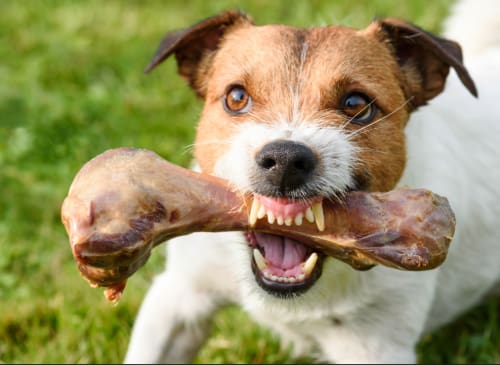
Resource guarding in dogs occurs when a dog attempts to control access to something they consider important. These resources can include food bowls, treats, bones, toys, bedding, or specific areas of the home. In some cases, dogs may also guard people, especially if they feel uncertain or overstimulated. The behavior exists on a spectrum, ranging from subtle body language changes to more obvious warnings.
Many dogs display early signs that go unnoticed. Stiff posture, freezing in place, turning the head away, or eating faster can signal discomfort. Growling, snapping, or lunging usually appear later, once the dog feels their warnings have been ignored. Dog resource guarding often develops as a protective response rather than an attempt to dominate.
Genetics, early life experiences, and environmental stress all influence this behavior. Dogs who experienced competition for food or limited resources early in life may feel more urgency around possessions. Changes in the household, such as new pets or children, can also increase guarding behaviors. Identifying the behavior early helps reduce risk and supports safer long-term management.
Discovering the Guarding Behavior
Many pet owners recognize dog resource guarding only after a stressful moment occurs. A dog may suddenly growl when approached during meals or snap when someone reaches for a toy. These reactions often feel unexpected, especially when the dog appears friendly in other situations. Understanding how and when the behavior emerges helps clarify what the dog is communicating.
Guarding behaviors often appear during predictable routines. Feeding time, treat distribution, or quiet resting periods can trigger tension. Dogs may show discomfort through subtle cues before escalating. Observing these moments closely provides valuable insight into patterns and triggers.
Common early signs of guarding behavior include:
- Freezing or stiffening when approached
- Eating faster or hovering over an item
- Side-eye glances or turning away
- Low growling or lip lifting
- Blocking access to an object or space
Recognizing these signals allows veterinary teams to assess the situation accurately. It also helps families avoid unintentionally reinforcing the behavior. Dog resource guarding does not mean a dog is “bad” or unpredictable. It signals stress, uncertainty, or fear that deserves professional evaluation and guidance.
How to Stop Your Dog From Stealing
Dogs who guard resources may also steal items, especially food or high-value objects. This behavior often ties back to anxiety about losing access to something desirable. While it may look like misbehavior, stealing frequently reflects an underlying emotional response rather than defiance.
Dogs learn quickly from past outcomes. If grabbing food or objects has worked before, the behavior may continue. Guarding can intensify if the dog anticipates confrontation or feels rushed. Addressing this pattern requires understanding motivation rather than focusing on punishment.
Veterinary guidance often centers on reducing stress around resources and improving predictability. Management strategies may include adjusting feeding routines, limiting access to high-risk situations, or changing how items are introduced. The goal involves creating an environment where the dog feels secure rather than pressured.
Factors that often contribute to stealing and guarding behaviors include:
- Inconsistent routines or feeding schedules
- High competition with other pets
- Sudden environmental changes
- Past experiences with scarcity
- Heightened anxiety or arousal
Dog resource guarding and stealing behaviors often overlap. Addressing them safely requires professional insight, careful observation, and consistency across the household. Veterinary teams help families understand how everyday interactions may influence these behaviors over time.
Resource Guarding in Dogs: When to Ask for Help
Dog resource guarding can escalate if left unaddressed, especially when warning signs are misunderstood or dismissed. While mild behaviors may appear manageable at first, patterns can intensify under stress. Professional support becomes essential when safety concerns arise or when behaviors increase in frequency.
Veterinary professionals play a central role in evaluating these situations. They assess medical factors, environmental stressors, and behavioral history to understand the full picture. This approach supports informed recommendations tailored to the individual dog and household.
Why Early Intervention Matters
Early involvement helps reduce the risk of injury and emotional strain for both pets and people. Dogs who feel repeatedly challenged around resources may escalate their responses over time. Addressing concerns sooner supports clearer communication and safer handling practices.
Veterinary teams also help rule out underlying medical issues that may contribute to irritability or discomfort. Pain, hormonal changes, or neurological conditions can influence behavior. Identifying these factors early supports more effective care planning.
What a Veterinary Behavior Evaluation Involves
A professional evaluation typically includes a detailed history of the behavior, recent changes in the household, and observations from daily routines. The veterinary team may ask about feeding habits, interactions with other pets, and specific triggers. This information helps shape a safe, structured plan.
Veterinary guidance focuses on safety, consistency, and long-term improvement. Recommendations often involve collaboration between veterinarians, behavior professionals, and pet owners. Dog resource guarding requires a thoughtful approach that prioritizes well-being and reduces risk.
If your dog shows signs of guarding, the team at Heart of Chelsea Veterinary Group can help evaluate the behavior and guide next steps. Call one of our locations or book an appointment online today for our veterinary behavior services.
Building Trust Through Understanding
Resource guarding challenges many households, yet it often reflects a dog trying to cope with uncertainty rather than acting out of malice. Learning to recognize early signals, understanding triggers, and seeking professional guidance all support safer outcomes. Dog resource guarding improves most effectively when addressed through collaboration, patience, and informed care. With the right veterinary support, families can better understand their dog’s behavior and move forward with confidence and clarity.
Recent Posts
About Us
Heart of Chelsea Veterinary Group is more than an animal hospital; we are your partner in giving your pet a lifetime of outstanding care. Our veterinarians and team members form lasting relationships with pet owners like you to create unique, personalized experiences for all. Heart of Chelsea was founded in 1999 to provide the community with a neighborhood veterinary practice that delivers thorough, compassionate medicine and unparalleled concierge client service.