



Is Your Cat Suffering From an Ear Infection?
Cat ear infections can develop quietly, often before pet owners notice obvious changes at home. A cat that once seemed comfortable may begin scratching, shaking their head, or avoiding touch around the ears. These changes often signal irritation or inflammation deep within the ear canal. Because cats tend to hide discomfort, ear problems can progress without clear warning signs. Understanding how cat ear infections develop, what they look like, and how veterinary teams address them helps pet owners recognize when professional care matters most.
This article explores the causes, signs, treatment approach, risk factors, and prevention strategies related to cat ear infections. If concerns arise, the veterinary team at Heart of Chelsea Veterinary Group encourages pet owners in New York and Washington to call one of our locations or book an appointment online today.
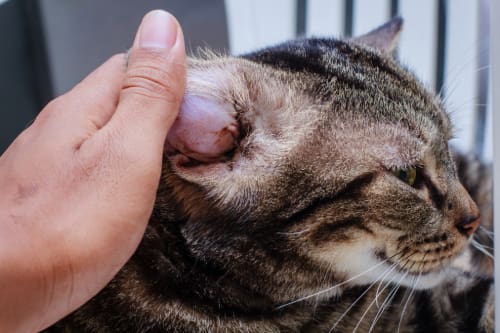
What Causes Ear Infections in Cats?
Cat ear infections often begin when the ear’s normal balance becomes disrupted. The ear canal creates a warm, enclosed environment, which allows bacteria or yeast to multiply when conditions change. Excess moisture, inflammation, or underlying health concerns can all create an opening for infection. While ear infections occur less frequently in cats than dogs, they tend to indicate a deeper issue when they do appear. Identifying the underlying cause helps guide effective veterinary care.
Several factors commonly contribute to cat ear infections. These factors may act alone or together, depending on the cat’s health and lifestyle. Common causes include the following, which veterinarians evaluate during an exam:
- Ear mites that irritate the ear canal and trigger inflammation
- Bacterial or yeast overgrowth within the ear
- Allergic responses affecting the skin and ears
- Foreign material or debris trapped in the ear
- Hormonal or immune-related conditions that affect skin health
Because these causes often overlap, veterinary diagnostics focus on determining what triggered the infection rather than addressing surface irritation alone.
What Are the Signs of an Ear Infection in a Cat?
Recognizing early signs of cat ear infections can be challenging, as many cats hide discomfort well. Subtle changes in behavior often appear before visible symptoms develop. A cat may become less tolerant of handling, especially around the head and ears. Over time, the infection may progress and produce more noticeable physical changes.
Pet owners often notice a combination of behavioral and physical signs when an ear infection develops. These signs vary depending on severity and the part of the ear affected. Common indicators include the following, which should prompt a veterinary visit:
- Frequent head shaking or tilting
- Scratching at one or both ears
- Redness or swelling inside the ear
- Unusual odor coming from the ear
- Dark discharge or buildup within the ear canal
In more advanced cases, balance issues or changes in coordination may occur. These signs suggest deeper ear involvement and require prompt professional evaluation.
How Are Ear Infections in Cats Treated?
Treating cat ear infections involves more than addressing surface symptoms. Veterinary teams focus on identifying the type of infection and the underlying cause before moving forward. During an exam, the veterinarian evaluates the ear canal and may collect samples to examine under a microscope. This process helps determine whether bacteria, yeast, mites, or inflammation are present.
Once the cause becomes clear, treatment plans aim to resolve the infection and reduce irritation. Treatment may include professionally administered therapies and prescription medications selected for the specific infection type. Follow-up visits often play a role in confirming that the infection has fully resolved. This approach supports long-term ear health rather than temporary relief.
Why Diagnosis Matters Before Treatment
Accurate diagnosis shapes every step of treatment for cat ear infections. Different organisms respond to different medications, and improper treatment can delay recovery. Some infections also signal broader health concerns that need attention. Veterinary evaluation allows the care team to address both the infection and contributing factors.
Veterinary teams may also recommend rechecks to ensure healing progresses as expected. This careful monitoring helps reduce the risk of recurrence and supports overall comfort for the cat.
Are Certain Cats More Susceptible to Ear Infection?
Some cats face a higher risk of developing ear infections due to underlying conditions or lifestyle factors. While any cat can experience an ear issue, susceptibility varies based on health history and environment. Cats with chronic skin conditions may experience recurring inflammation that affects the ears. Similarly, immune system changes can influence how the body responds to irritation or infection.
Environmental factors also contribute to risk. Cats exposed to other animals may encounter parasites such as ear mites more often. Outdoor access increases exposure to debris and allergens that may irritate the ear canal. Age can also play a role, as kittens and senior cats may have different immune responses. Understanding these risk factors helps pet owners remain alert to early changes.
Can Ear Infections in Cats Be Prevented?
Preventing cat ear infections often centers on routine veterinary care and early detection. Regular wellness exams allow veterinarians to identify subtle ear changes before infection develops. During these visits, the veterinary team examines the ears and addresses any early signs of inflammation. This proactive approach supports long-term ear health.
Home observation also plays an important role in prevention. Pet owners who notice changes in behavior or grooming habits can seek care before discomfort escalates. Keeping veterinary appointments consistent supports early intervention and reduces the likelihood of chronic issues. While not every infection can be prevented, early recognition often leads to better outcomes.
When Quiet Symptoms Deserve Attention
Cat ear infections rarely resolve on their own and often signal a deeper concern within the ear or the body. Early evaluation supports comfort, hearing health, and overall quality of life. Cats rely heavily on their senses, and ear discomfort can affect daily behavior in subtle ways. Addressing changes promptly helps prevent complications and supports a smoother recovery.
If you notice signs of cat ear infections or changes in your cat’s behavior, professional guidance matters. The team at Heart of Chelsea Veterinary Group is here to help. Call one of our locations or book an appointment online today to have your cat’s ears evaluated by a veterinary professional.
Recent Posts
About Us
Heart of Chelsea Veterinary Group is more than an animal hospital; we are your partner in giving your pet a lifetime of outstanding care. Our veterinarians and team members form lasting relationships with pet owners like you to create unique, personalized experiences for all. Heart of Chelsea was founded in 1999 to provide the community with a neighborhood veterinary practice that delivers thorough, compassionate medicine and unparalleled concierge client service.